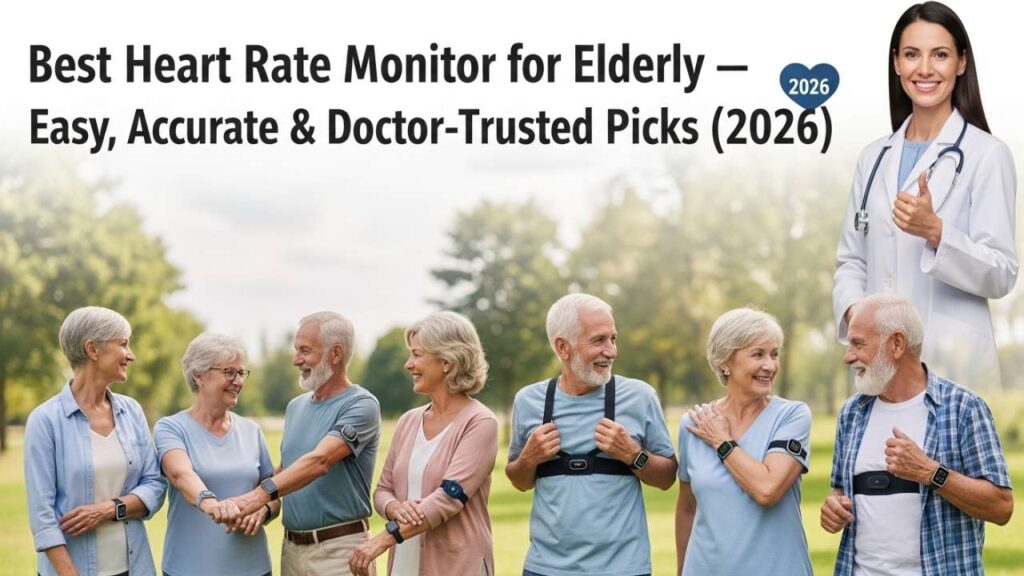
My uncle turned 72 last year. After a mild cardiac episode, his doctor said one thing very clearly — “Keep an eye on your heart rate every day.”
So we went shopping. And honestly? It was overwhelming.
Too many options. Too much tech jargon. And half of them looked like gadgets designed for 25-year-old gym bros — not a 72-year-old man with slightly arthritic fingers.
That experience sent me deep into research. I read clinical studies, compared specs, talked to caregivers, and tested several devices myself. What you’re reading now is the result of all that — a no-fluff guide to the best heart rate monitors for elderly adults, covering what actually works, what to avoid, and how to choose the right one.
Why Heart Rate Monitoring Matters More After 60
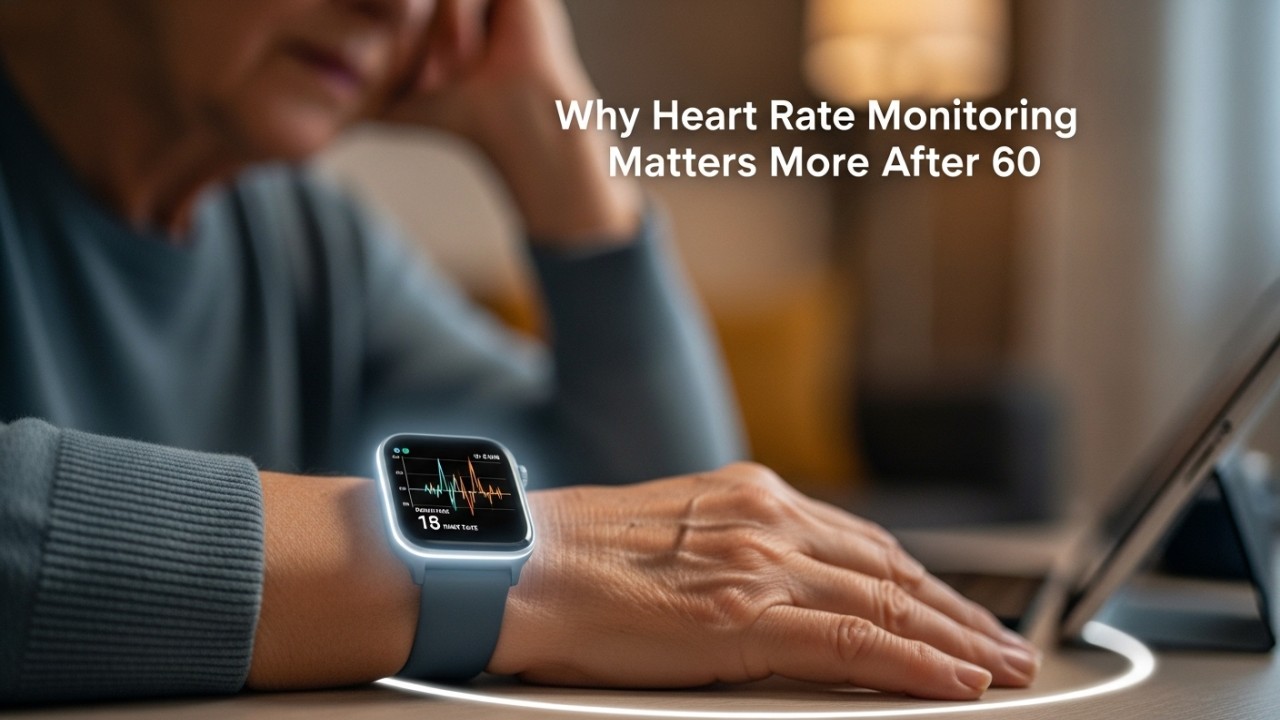
The heart changes as we age. Resting heart rate can become irregular. Blood pressure fluctuations grow more common. Conditions like atrial fibrillation (AFib), bradycardia, and tachycardia are far more likely to appear after 60.
According to the American Heart Association, a normal resting heart rate for adults — including seniors — falls between 60 and 100 beats per minute. But for older adults on medications like beta-blockers, that baseline can run lower.
The real problem? Many cardiac events give almost no warning. A person feels “fine” while their heart beats irregularly. A heart rate monitor catches what the body doesn’t always announce.
What Regular Monitoring Can Catch Early
- Sudden spikes in heart rate during rest could signal stress or infection.
- Unusually low pulse (bradycardia) — a common medication side effect worth flagging
- Irregular rhythms that could indicate AFib
- Post-exercise recovery patterns show if the heart is working too hard
- Overnight changes linked to sleep apnea or oxygen drops
Types of Heart Rate Monitors for Elderly Adults
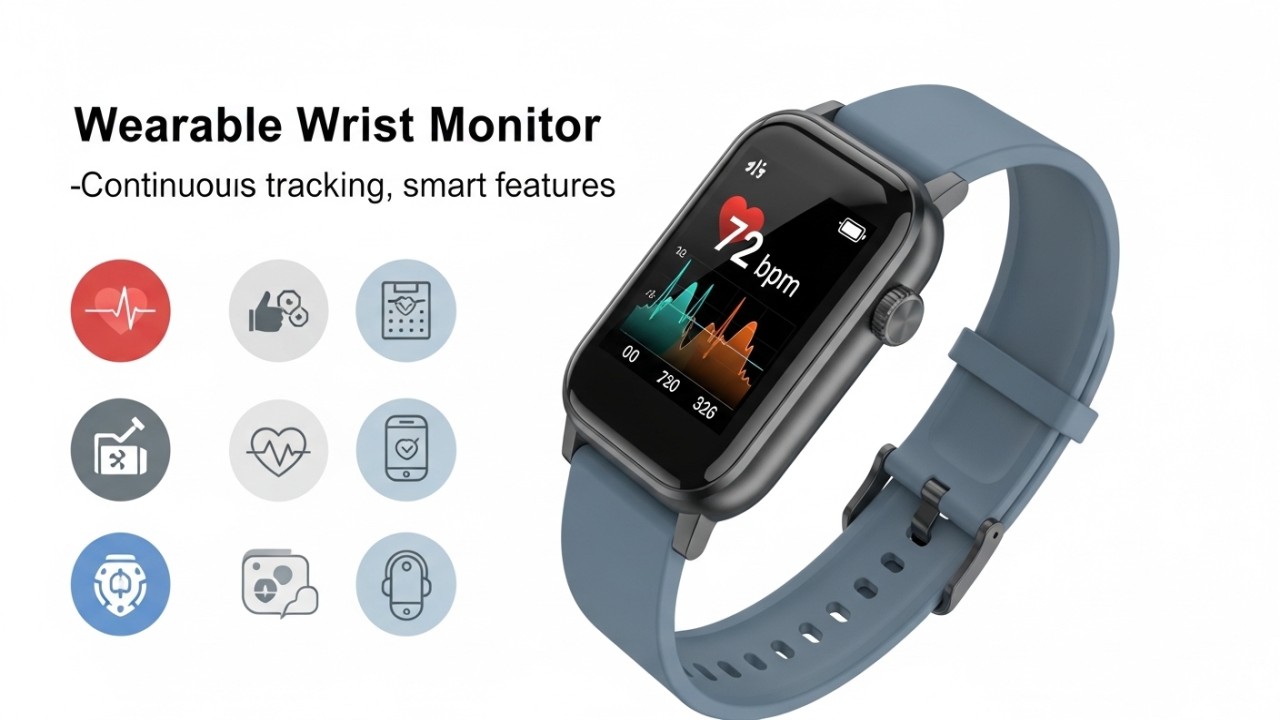
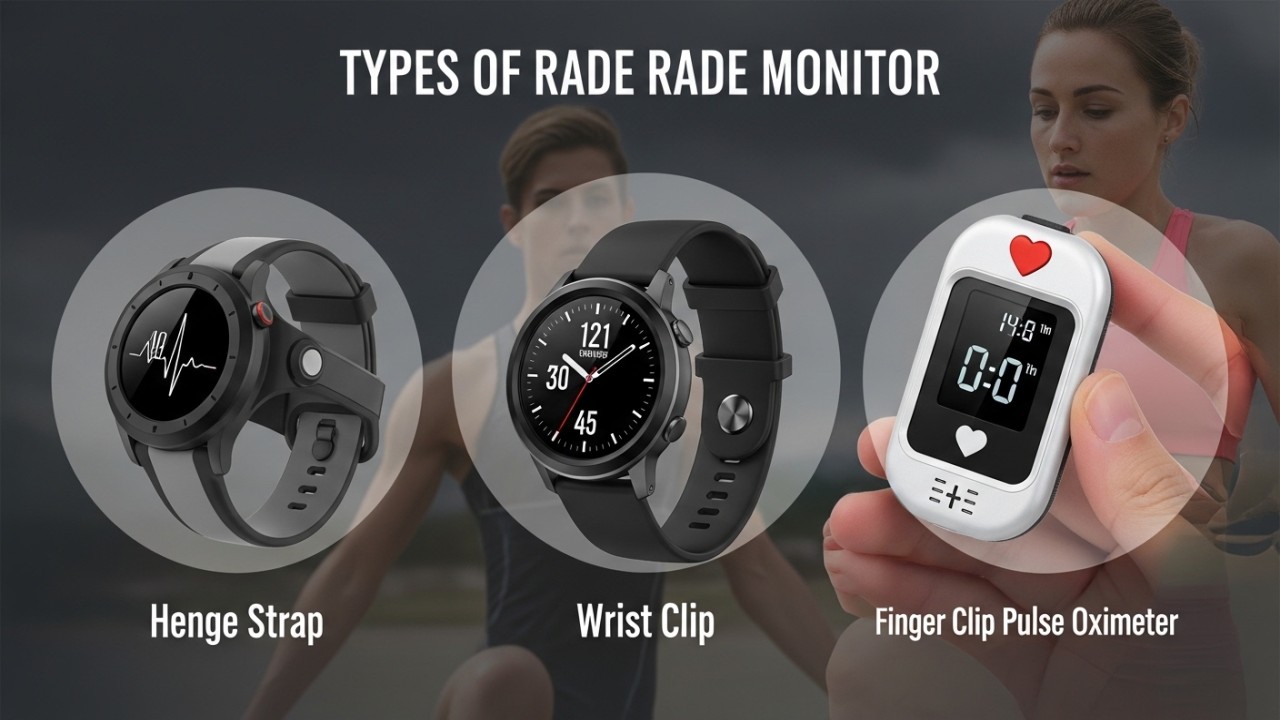
Not all monitors work the same way. Before picking one, it helps to understand what you’re looking at.
1. Wrist-Based Smartwatches
These are the most popular choices today. Devices like the Apple Watch SE, Fitbit Sense 2, and Withings ScanWatch 2 sit on the wrist and monitor heart rate continuously using optical sensors. They’re comfortable, easy to wear, and pair with a smartphone.
Best for: Seniors who want all-in-one health tracking and are comfortable using basic smartphone apps.
2. Dedicated Chest Strap Monitors
Chest straps deliver the most accurate readings during exercise. They use electrical signals — the same method as a medical ECG — rather than light sensors. Less comfortable for daily wear, but far more precise.
Best for: Active seniors who walk, swim, or cycle regularly and want accuracy during workouts.
3. Portable ECG / EKG Devices
The KardiaMobile by AliveCor is the gold standard here. It’s a small card-sized device that delivers medical-grade ECG readings in 30 seconds. FDA-cleared to detect AFib, bradycardia, and tachycardia.
Best for: Seniors with a known heart condition who need results their doctor can actually use.
4. Fingertip Pulse Oximeters
These clip onto a finger and give a quick pulse rate plus blood oxygen (SpO₂ ) reading in seconds. Inexpensive, zero setup, and anyone can use them. But they don’t offer continuous monitoring.
Also Read:- Top 10 Best Blood Pressure Monitors for Seniors in 2026 – Accurate, Easy-to-Use Home BP Machines
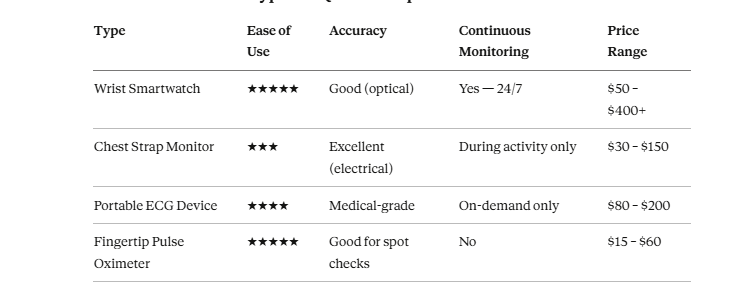
Heart Rate Monitor Types — Quick Comparison
Best Heart Rate Monitors for Seniors in 2026 — Top Picks
1. KardiaMobile 6L by AliveCor — Best for AFib Detection
This is the device I’d recommend first to any senior with a cardiac history. The KardiaMobile 6L is FDA-cleared, delivers a 6-lead ECG in 30 seconds, and detects AFib, bradycardia, and tachycardia with 97.9% accuracy for AFib.
It connects to a smartphone via Bluetooth and generates a shareable PDF report the doctor can actually read. A medical-grade ECG done at home — for under $150.
- FDA-cleared, clinically tested
- 6-lead ECG (far more detailed than single-lead smartwatches)
- Results shareable with cardiologist
- Compact — fits in a wallet case
2. Apple Watch SE (2nd Gen) — Best All-Around for Tech-Comfortable Seniors
For seniors who already use an iPhone, the Apple Watch SE is a strong choice. It offers 24/7 heart rate tracking, on-demand ECG, high/low heart rate alerts, fall detection, and an Emergency SOS button — all on a large, readable display.
The Digital Crown design makes navigation easier for seniors with arthritis or reduced dexterity. Battery life is around 18 hours — daily charging is a minor but real inconvenience.
3. Fitbit Sense 2 — Best for Comprehensive Health Tracking
The Fitbit Sense 2 gives seniors continuous heart rate data, ECG access, stress monitoring via EDA sensors, sleep tracking, and six full days of battery life. Alexa voice integration makes it genuinely senior-friendly.
It doesn’t have fall detection or an SOS button, so it’s better suited to mobile seniors who simply want to stay on top of their heart data.
4. Withings ScanWatch 2 — Best for Long Battery Life + Medical-Grade Data
The ScanWatch 2 looks like a classic analog watch but packs FDA-cleared ECG monitoring, 24/7 heart rate tracking, blood oxygen monitoring, and sleep apnea detection. The biggest standout — it runs for up to 30 days on a single charge.
This is a game-changer for seniors who forget to charge devices daily. The Withings Health Mate app organizes data clearly and allows easy sharing with healthcare providers.
5. Budget Smartwatch — Best Affordable Pick
Not every senior wants to spend $200–400. Budget-friendly options exist with large HD displays (1.4–1.5 inches), 24/7 heart rate monitoring, blood oxygen tracking, IPX8 waterproofing, and up to 30 days of standby battery — at a fraction of premium brand pricing.
They won’t give ECG readings, but for basic heart rate tracking and daily peace of mind, they cover the essentials reliably.
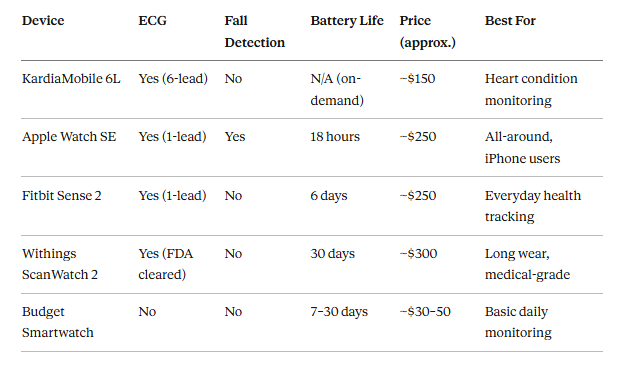
Top Picks — Feature Comparison at a Glance
What to Look for When Buying a Heart Rate Monitor for the Elderly
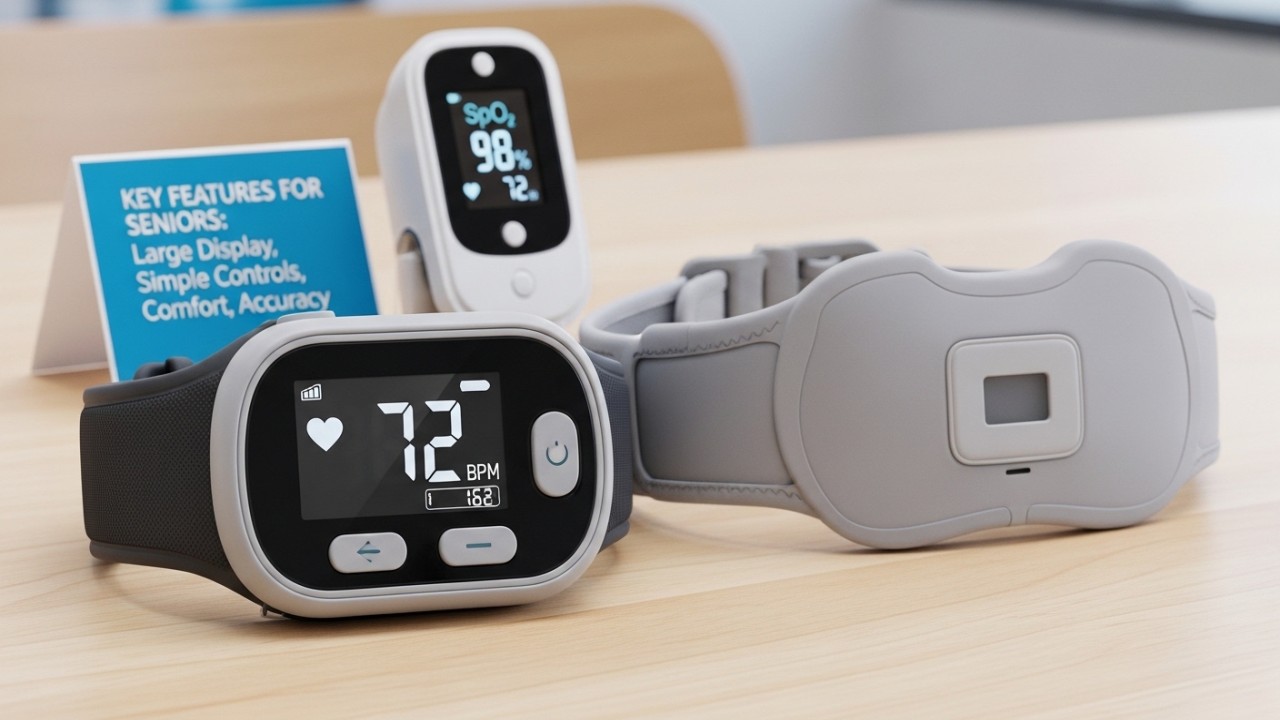
Not every senior has the same needs. A 65-year-old who walks 4 miles a day needs something different from an 82-year-old who rarely uses a smartphone.
Also Read:- Top 10 Diabetes Management Devices for Elderly in 2026 – Best Glucose Monitors & Smart Diabetes Care Tools
Large, Clear Display
Vision changes with age. Look for at least 1.4 inches of screen size, high brightness, and adjustable text. If you squint to read the screen in a store, it’s not the right device.
Simple Setup and Navigation
If a device takes 45 minutes to set up or requires constant app juggling, many seniors will simply stop using it. The best heart monitors for elderly adults have minimal menus, physical buttons where possible, and intuitive interfaces.
Battery Life
Devices that need daily charging create a habit burden — and for seniors with memory concerns, that’s a real problem. Aim for 5+ days of battery life, or go for the ScanWatch 2’s 30-day run if consistency matters most.
Alerts and Notifications
Automatic alerts for abnormal readings – high heart rate, low heart rate, irregular rhythm – are critical for safety. Some devices even allow family members or carers to receive these alerts remotely.
Water Resistance
Seniors shouldn’t remove a monitor every time they wash their hands or step out in light rain. Look for IPX7 or IPX8 ratings at a minimum.
Accuracy That Matches the Need
Optical wrist sensors are convenient but can be affected by movement or skin tone. For clinical purposes, an FDA-cleared ECG device or a chest strap gives more reliable data. Always confirm the accuracy needs with a doctor.
What Is a Normal Heart Rate for Elderly Adults?
This is one of the most common questions — and for good reason.
A normal resting heart rate for most adults, including seniors, is 60 to 100 BPM. But seniors on beta-blockers or certain blood pressure medications often run closer to 50–60 BPM — and that’s perfectly fine for them.
What matters more than a single number is trends over time. If a senior’s resting heart rate consistently climbs or suddenly drops, that’s when to pick up the phone and call the doctor.
Also Read:- Best COPD Monitoring Systems for Elderly: A Practical Respiratory Care Guide for 2026
Wrist Monitor vs. Portable ECG — Pros and Cons
| Wrist Monitor (Smartwatch) | Portable ECG (KardiaMobile) | |
|---|---|---|
| Continuous Monitoring | Yes — 24/7 passive tracking | No — on-demand only |
| Accuracy | Good (optical sensor) | Excellent (medical-grade) |
| Doctor-Shareable Reports | Limited | Yes — full PDF report |
| Ease of Use | Very easy (wear and forget) | Easy but requires activation |
| Cost | $50 – $400+ | $80 – $200 |
| Best For | Daily tracking, lifestyle | Cardiac condition management |
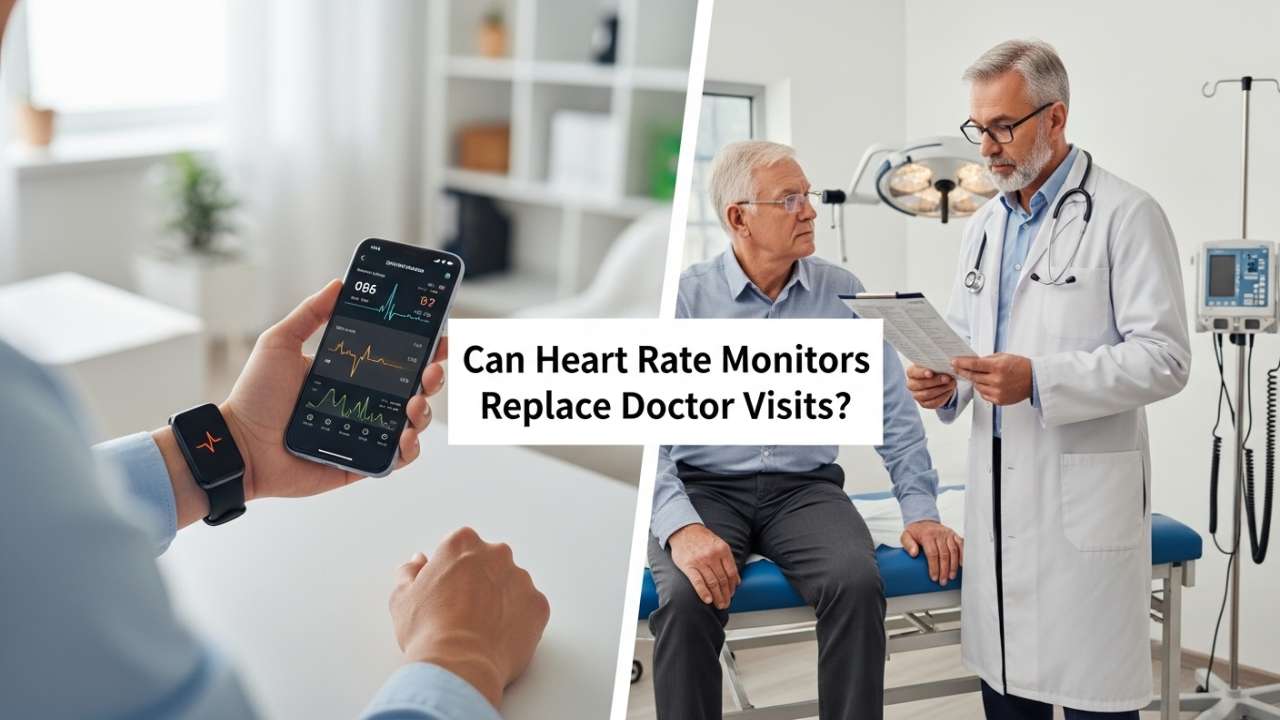
Can Heart Rate Monitors Replace Doctor Visits?
No — and this needs to be said clearly.
A heart rate monitor is a tool for awareness, not a replacement for clinical care. Consumer wearables can detect patterns and flag irregularities, but they cannot diagnose conditions. Even FDA-cleared devices like the KardiaMobile generate data that still needs a cardiologist’s interpretation.
Think of these monitors the way you think of a blood pressure cuff at home — useful for tracking, essential for sharing with your doctor, but not a substitute for a proper checkup.
Practical Tips for Seniors Using a Heart Rate Monitor
- Wear the watch snugly — not tight, but firmly against the wrist. Loose fit leads to inaccurate optical readings.
- Take morning readings at the same time each day for the most consistent baseline data.
- Share weekly summaries with your doctor, especially if managing AFib or hypertension.
- Use high/low alerts as prompts to rest or seek attention — not as a reason to panic.
- For arthritis or larger fingers, choose devices with physical buttons in addition to touchscreens.
- If sudden changes last more than 30 minutes, call your healthcare provider — don’t wait for the next appointment.
Also Read:- Sleep Apnea Devices for Home Use: Treatment Options for Seniors in 2026
Frequently Asked Questions
What is the best heart rate monitor for elderly with AFib?
The KardiaMobile 6L is the strongest choice for AFib-prone seniors. It offers a 6-lead medical-grade ECG and is FDA-cleared specifically to detect atrial fibrillation with 97.9% accuracy. The Apple Watch SE and Withings ScanWatch 2 also include AFib detection but with single-lead ECG — less detailed but still useful for daily awareness.
Do elderly people need a smartwatch or a dedicated heart monitor?
It depends on the need. For general wellness and daily awareness, a smartwatch works well. For seniors with diagnosed heart conditions who need clinically usable data, a dedicated portable ECG is far more appropriate.
What heart rate is dangerous for an elderly person?
A resting heart rate consistently above 100 BPM (tachycardia) or below 50 BPM (bradycardia) should be discussed with a doctor — especially if paired with symptoms like dizziness, chest pain, or shortness of breath. Individual baselines vary, so always consult your healthcare provider.
Can seniors use heart rate monitors without a smartphone?
Yes. Devices like the Withings ScanWatch 2 and fingertip pulse oximeters work without a smartphone. The KardiaMobile requires a phone for readings. Smartwatches typically need initial phone setup but monitor independently once configured.
How accurate are smartwatch heart rate monitors for seniors?
Wrist-based optical monitors are generally accurate within a few BPM at rest. During movement or if the fit is loose, accuracy can drop. For clinical-level accuracy, FDA-cleared ECG devices or chest straps are significantly more reliable.
Is it safe to use a heart rate monitor every day?
Yes, absolutely. Daily monitoring is generally recommended for seniors managing heart conditions or recovering from cardiac events. The goal is to track trends over time — not to obsess over individual readings.
What features should a heart rate monitor for the elderly have?
Look for a large, readable display, long battery life, automatic alerts for abnormal readings, water resistance (IPX7+), simple navigation, and the option to share data with a healthcare provider or family caregiver.
Are budget heart rate monitors accurate enough for seniors?
For general awareness and daily tracking, budget devices offer reasonable accuracy. For seniors with serious cardiac conditions, investing in an FDA-cleared device is worth the extra cost.
Final Thoughts
Heart rate monitoring for elderly adults isn’t about gadgets or tech trends. It’s about catching problems early — before they become emergencies.
My uncle now wears a Fitbit Sense 2 during the day and uses a KardiaMobile for his weekly doctor-requested ECG readings. His cardiologist actually thanked us for the data quality. That’s real peace of mind — not just for him, but for everyone in the family.
If you’re a caregiver or a senior yourself, start with one simple question: How serious is the cardiac concern? From there, the right device becomes much clearer.
And when in doubt — talk to your doctor first. They’ll tell you exactly what data they need, and you can match the device to that need.