Every 11 seconds, an older adult in the United States is treated in an emergency room for a fall-related injury. But here in Florida, the stakes are uniquely higher. The same beautiful tile floors that keep our homes cool in the summer heat become dangerously slick when wet. The pool decks, patios, golf cart paths, and sandy beach walkways that make Florida retirement so appealing also create fall risks that seniors in other states simply don’t face.
If someone you love lives in Florida — or if you’re a Florida senior yourself — fall detection devices are no longer a luxury. They’re a practical, potentially life-saving necessity.
This guide covers everything you need to know about fall detection devices Florida seniors can actually use and trust in 2025. We’ve broken down the eight best devices available right now, explained how the technology works, and addressed the specific Florida challenges that most generic guides completely ignore — from The Villages golf cart paths to Gulf Coast beach access points to those gorgeous but unforgiving ceramic tile floors.
Let’s start with the most important question: what happens when nobody is home and someone falls?
Without a fall detection device, the answer is frightening. Studies consistently show that the longer a senior lies after a fall without help, the worse the outcomes — from muscle damage and dehydration to pneumonia and psychological trauma. Florida’s warm climate makes long waits even more dangerous. A senior who falls on a back patio in July, lying in direct Florida sun, faces serious heat-related risks on top of the fall injury itself.
The right fall detection device for Florida seniors changes that entire scenario. Detection happens in seconds. Help is dispatched in minutes. And recovery outcomes improve dramatically.
How Fall Detection Technology Actually Works
Before choosing a device, it helps to understand what’s happening inside it. Modern fall detection devices Florida seniors wear use two primary technologies working together.
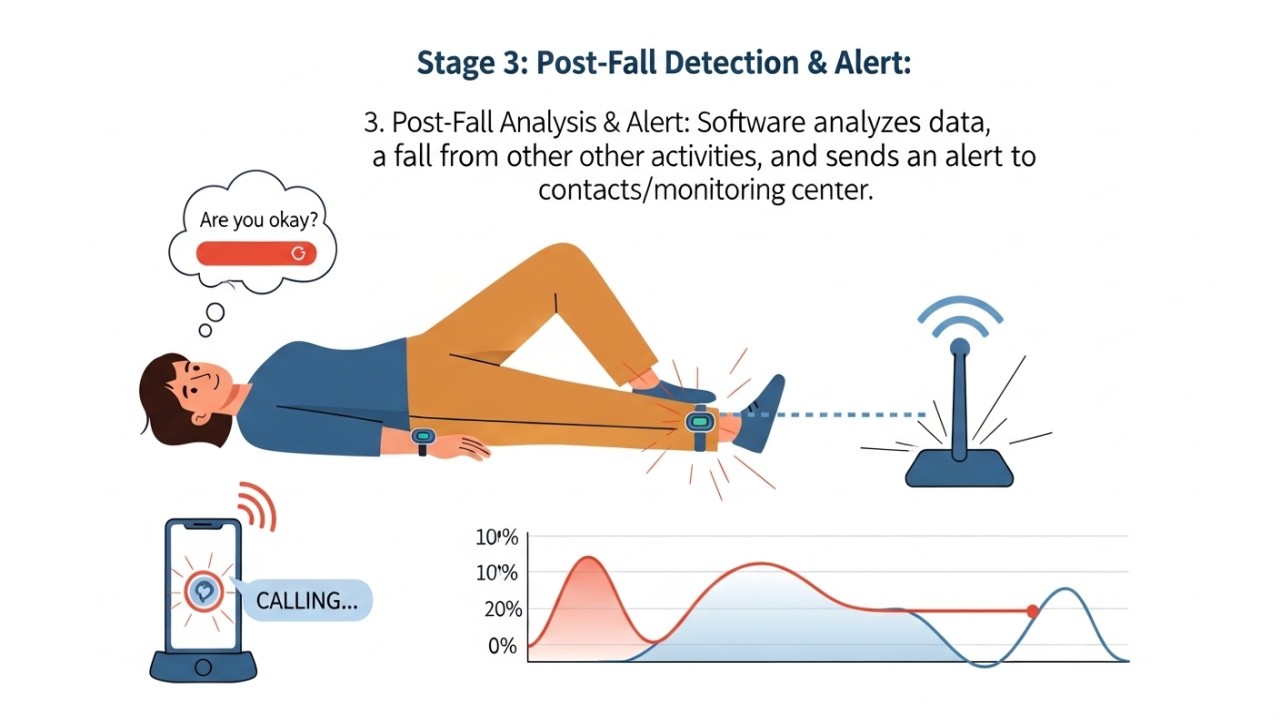
Accelerometers are motion sensors that measure the speed, direction, and force of movement in three dimensions simultaneously. Every step you take, every time you sit down or stand up, every time you reach for something on a high shelf — the accelerometer tracks it all. When it detects a sudden rapid downward movement followed by a hard impact and then stillness, it recognizes the pattern as a potential fall.
Gyroscopes work alongside accelerometers to measure rotational movement and body orientation. They help the device distinguish between someone bending over to pick something up, lying down for a nap, or actually falling. The combination of both sensors is what makes modern fall detection remarkably accurate.
When a potential fall is detected, most devices follow a standard protocol. First, the device alerts the wearer and gives them a short window — usually 30 to 60 seconds — to cancel if it was a false alarm. If there’s no response, the device automatically contacts a monitoring center or emergency contacts. The best devices also detect the wearer’s location via GPS, which matters enormously for outdoor falls on pool decks, golf cart paths, or beach access walkways.
One important limitation worth understanding: no fall detection system is 100% accurate. Some hard movements — dropping into a beach chair, a rough golf cart bump, a stumble that you catch yourself from — can trigger false alarms. And some genuine falls, particularly slow slides down a wall, can occasionally be missed. This is why manual SOS buttons remain an important backup on every device.
Florida-Specific Fall Risks: What Makes the Sunshine State Different
Generic fall detection guides don’t talk about this, but fall detection devices Florida seniors need must account for the state’s genuinely unique environment.
Tile and Marble Floors
The vast majority of Florida homes feature tile or polished stone floors throughout. Unlike carpet, which provides cushion and grip, ceramic, porcelain, and marble tile are hard, unforgiving surfaces. A fall on tile carries significantly higher injury risk than a carpeted surface — fractures and head injuries are more severe. Pool water, humidity, and condensation from cold drinks or air conditioning also make tile floors dangerously slick. Florida’s fall detection devices need to respond quickly because tile floor falls are often harder and more immediately serious.
Pool Decks and Patio Areas
Florida seniors spend significant time outdoors — on screened lanais, open patios, and pool decks. These surfaces are often wet, sun-bleached, and sloped toward drainage. A pool deck fall can mean going into the water — which is why waterproof fall detection devices are non-negotiable for Florida seniors, not optional extras. Pool entry steps, spa ledges, and wet concrete are all high-risk zones that make outdoor fall detection coverage essential.
Golf Cart Accidents in Retirement Communities
The Villages — the world’s largest retirement community, located in central Florida — has more golf carts than any community on earth. Dozens of Florida retirement communities use golf carts as primary transportation. Golf cart accidents, including sudden stops, turns, and tip-overs, are a significant and underreported cause of senior injuries in Florida. Fall detection devices Florida seniors use in golf cart communities should have GPS, rugged housings, and ideally cellular connectivity rather than relying on home Wi-Fi.
Beach and Water Activities
Florida’s coastline is one of its greatest gifts to retirees. But sandy beach access paths, uneven boardwalks, sloped beach entries, and wet dock surfaces create very real fall hazards. Any fall detection device for Florida seniors who are active near the water needs to be genuinely waterproof — not just splash-resistant — with GPS that functions outdoors away from home.
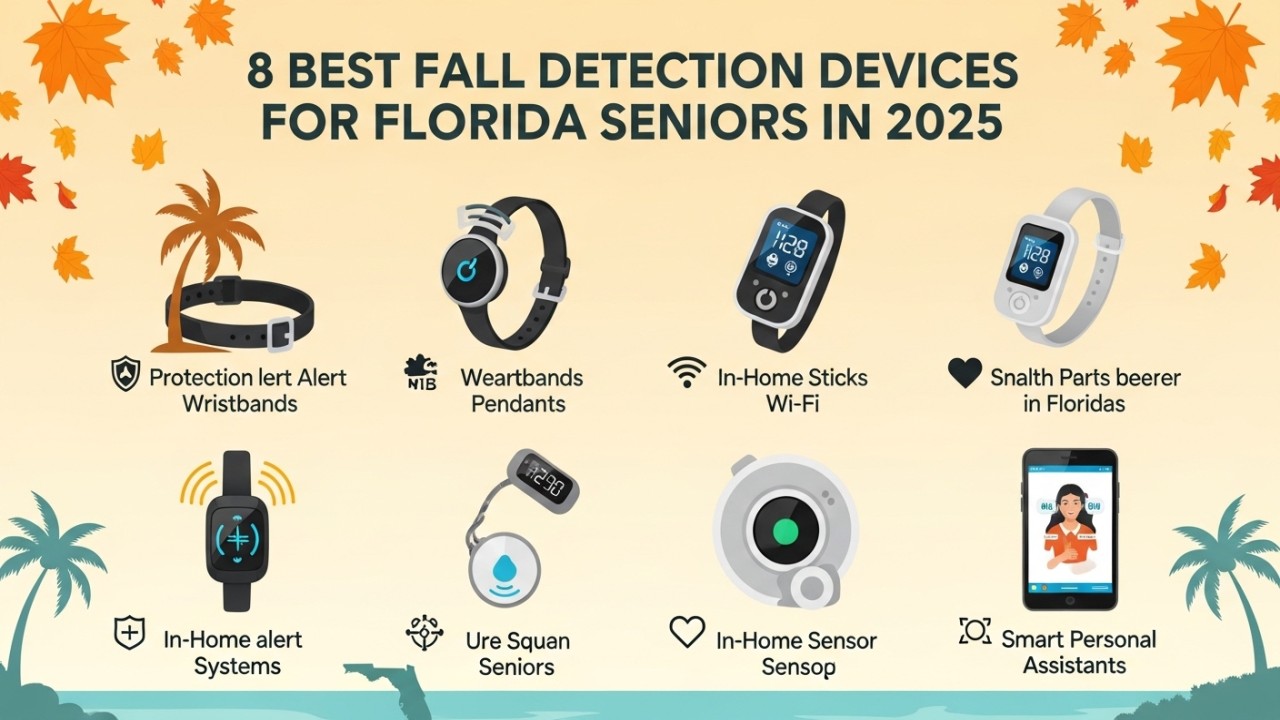
The 8 Best Fall Detection Devices for Florida Seniors in 2025
1. Apple Watch Series 9 / Apple Watch Ultra 2
The Apple Watch has become one of the most popular fall detection devices Florida seniors are choosing in 2025, and it’s easy to see why. For active Florida retirees who want technology that does much more than detect falls, the Apple Watch delivers fall detection as part of a full-featured smartwatch.
The fall detection uses a combination of a high-g accelerometer and gyroscope. When a hard fall is detected, the watch taps the wrist, sounds an alert, and displays an option to call emergency services or dismiss. If the wearer is immobile for 60 seconds after the alert, it automatically calls 911 and sends a location notification to emergency contacts.
For Florida specifically, the Apple Watch Ultra 2 is the standout option. It’s rated WR100 — that means it’s water-resistant to 100 meters, making it genuinely suitable for pool use, beach activities, and water sports. The Ultra 2’s rugged titanium case handles outdoor Florida activities well. GPS is built-in and works independently of a phone. Battery life is approximately 60 hours in low-power mode.
The limitation: Apple Watch fall detection is optimized for wrist-detected falls. Users who tend to brace their fall with their hands may find detection rates slightly lower than dedicated medical alert devices. Monthly cost: Apple Watch purchase ($399–$799) plus optional cellular plan (~$10/month). No monitoring subscription required.
2. Medical Guardian MGMove
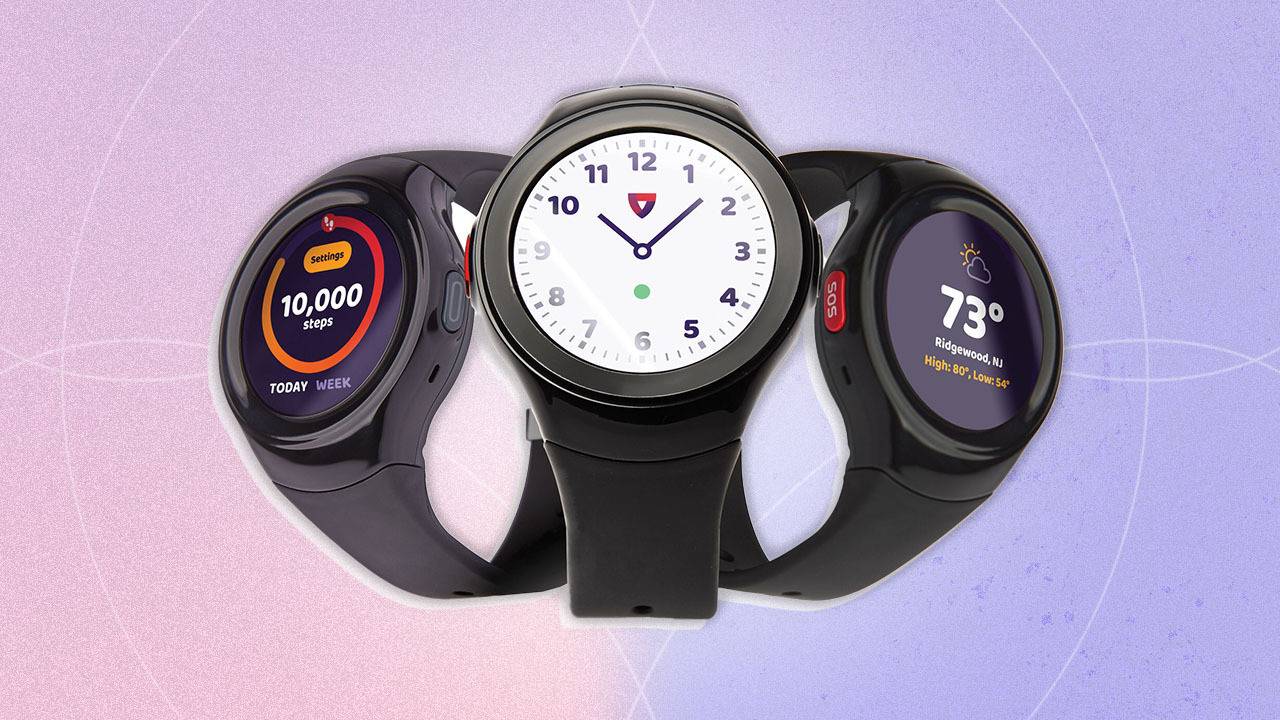
Medical Guardian’s MGMove is a dedicated medical alert smartwatch that ranks among the best fall detection devices Florida seniors can buy in 2025. It combines the look of a modern smartwatch with professional 24/7 monitoring center support — something the Apple Watch doesn’t offer.
When a fall is detected, the MGMove connects directly to Medical Guardian’s US-based monitoring centers, staffed around the clock. The monitoring team can communicate with the wearer through the device’s built-in two-way speaker, assess the situation, and dispatch local Florida emergency services if needed. For seniors who live alone, this human-in-the-loop approach provides a level of reassurance that app-only devices simply can’t match.
For Florida use, the MGMove is GPS-equipped and works anywhere with cellular service — which means it covers The Villages golf cart paths, Clearwater Beach boardwalks, and Orlando-area pool decks equally well. The device is water-resistant and suitable for pool and shower use. Battery life is approximately 24 hours and needs daily charging, which is the primary complaint from users.
The two-way communication feature is particularly valuable in Florida’s outdoor environments, where a fallen senior may be too far from a landline or may have dropped their phone. Monthly cost: $39.95 to $44.95 per month including fall detection and 24/7 monitoring.
3. Philips Lifeline GoSafe 2
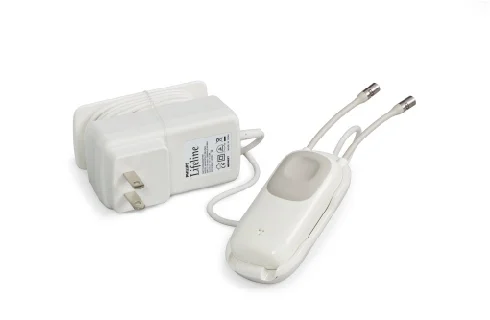
Philips Lifeline is one of the most trusted names in medical alert technology, and the GoSafe 2 is their premium offering for active seniors — making it an excellent fall detection device Florida retirees who spend time outdoors should seriously consider.
What sets the GoSafe 2 apart is its multi-location detection technology. It uses six different location technologies simultaneously — GPS, Wi-Fi, Bluetooth, cellular, and two additional positioning systems — to pinpoint location even in challenging environments like thick-walled Florida condos, parking garages, or areas with spotty GPS signal.
The AutoAlert automatic fall detection is Philips’ proprietary system, developed through decades of medical alert experience. It has one of the strongest track records in the industry for detecting actual falls while minimizing false alarms — important for active Florida seniors who don’t want their device going off every time they drop into a pool lounger.
The GoSafe 2 is worn as a pendant and is genuinely waterproof for pool and shower use. The battery life is impressive — up to 72 hours — which is a significant practical advantage for Florida seniors who spend full days outdoors. Connection goes directly to Philips’ 24/7 monitoring center. Monthly cost: $44.95 per month for the GoSafe 2 service plan.
4. Bay Alarm Medical SOS Smartwatch
Bay Alarm Medical has built a strong reputation for transparent pricing and no-contract flexibility — two things Florida seniors and their families consistently appreciate. Their SOS Smartwatch is a dedicated fall detection device Florida seniors can wear daily without it looking like medical equipment.
The smartwatch design means better compliance — seniors actually wear it rather than leaving it on the nightstand. Automatic fall detection is included, and the device connects to Bay Alarm’s US-based monitoring center when a fall is detected or the SOS button is pressed. The monitoring center handles Spanish-language calls as well, which matters in Florida’s large Spanish-speaking senior communities in Miami-Dade, Broward, and Orange Counties.
Built-in GPS covers all outdoor Florida environments, and the device is water-resistant for everyday activities including pool and shower use. The step counter and health tracking features add everyday value that helps seniors stay engaged with the device rather than treating it as purely emergency equipment.
Bay Alarm Medical’s pricing is notably more transparent than many competitors — no activation fees, no long-term contracts, and a clear monthly rate. For Florida families helping a parent select a device remotely, the simplicity of setup and account management is a genuine advantage. Monthly cost: $24.95 to $34.95 per month depending on plan.
Also Read:- Best Medical Alert Systems for Florida Seniors: Complete 2026 Guide
5. MobileHelp Smart
MobileHelp Smart is designed specifically for the active senior lifestyle, and it’s one of the best fall detection devices Florida seniors who want cellular independence should consider. Unlike home-based systems, MobileHelp Smart is a wearable that works anywhere in the United States on AT&T’s cellular network — no home base station required.
This matters enormously for Florida seniors who travel within the state, spend time between a primary home and a vacation property, or simply want protection that works as well at their Sarasota beach club as it does in their Ocala living room. The cellular coverage covers virtually all of Florida’s populated areas, including beach communities and retirement corridors.
Automatic fall detection triggers a connection to MobileHelp’s 24/7 monitoring center. Two-way voice communication is built into the device. GPS provides location to the monitoring center and to designated family contacts through the MobileHelp Connect app, which family members across the country can use to check location and account status.
For Florida pool and patio use, the MobileHelp Smart is water-resistant. Battery life runs approximately 24 hours. The device requires daily charging, which is the most common user complaint — though many seniors build charging into their overnight routine without issue. Monthly cost: $34.95 per month with fall detection.
6. LifeFone At-Home & On-the-Go
LifeFone consistently earns high marks in senior safety reviews for one specific reason: their monitoring center response times are among the fastest in the industry, averaging under 20 seconds to answer a detected fall alert. For a Florida senior who has just fallen on a wet pool deck in summer heat, 20 seconds versus 60 seconds matters.
LifeFone offers multiple device options, but their At-Home & On-the-Go GPS plan is the best fall detection device Florida seniors living active outdoor lives should consider. The device is a GPS pendant worn around the neck, with automatic fall detection, two-way voice through the device, and location tracking through GPS and cellular.
Florida-specific strengths include the device’s outdoor durability and genuine waterproofing for shower and pool use. The LifeFone app allows adult children — many of whom live out of state but have parents in Florida retirement communities — to monitor location, account status, and alert history remotely. Customer service is US-based and available 24 hours, which families consistently praise.
LifeFone also stands out for not requiring long-term contracts. Month-to-month service means Florida snowbirds who only need coverage seasonally can activate and deactivate without penalty — a genuinely practical feature for part-year Florida residents. Monthly cost: $43.95 per month for the GPS on-the-go plan.
7. GetSafe Home Fall Detection System
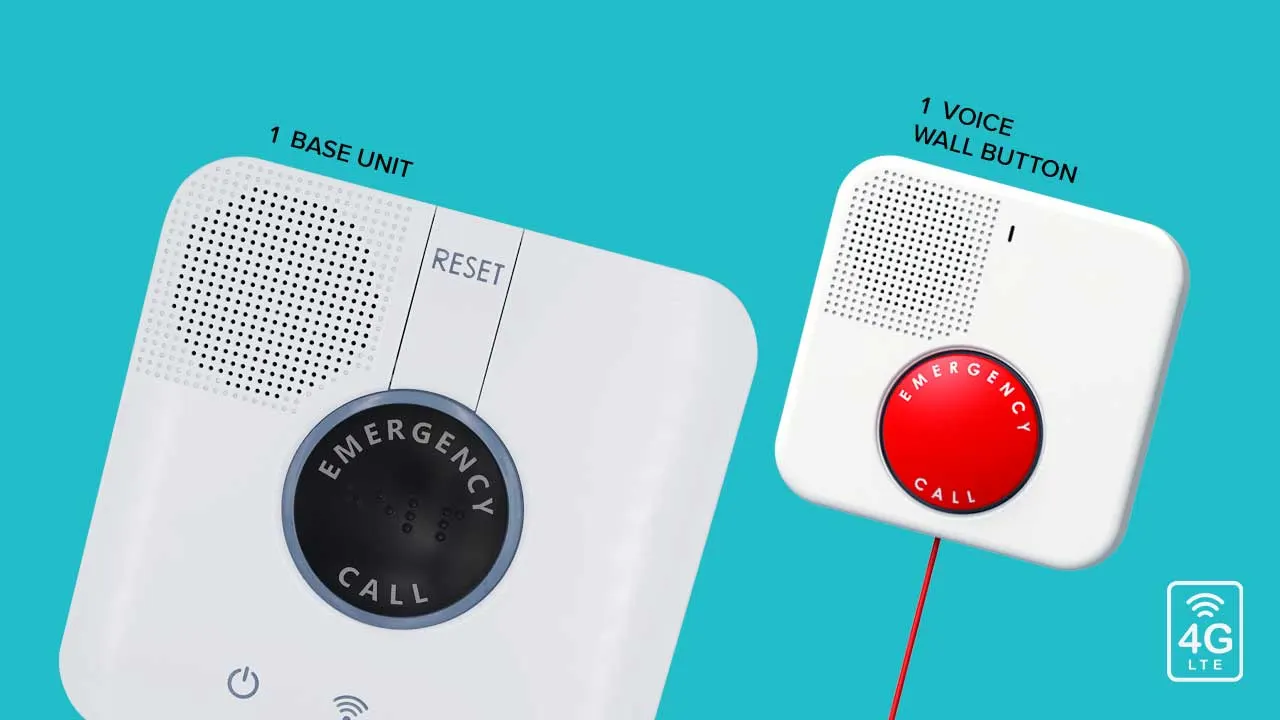
GetSafe takes a fundamentally different approach to fall detection devices Florida homes should consider. Rather than requiring the senior to wear a device, GetSafe installs wall-mounted voice-activated alert buttons and optional motion sensors throughout the home — the same rooms where most indoor falls happen: bathrooms, kitchens, bedrooms, and hallways.
For Florida seniors who consistently forget to wear wearable devices, or who have skin sensitivities that make wearing something all day uncomfortable, GetSafe’s in-home approach is a legitimate and practical alternative. The wall buttons are voice-activated — saying “call for help” triggers a connection to GetSafe’s monitoring center even without pressing anything.
For the tile-floor falls that are so common in Florida homes, GetSafe’s bathroom and hallway coverage is particularly relevant. The bathroom package includes waterproof buttons that function in the shower — critical for a state where shower falls are among the most common and serious in-home accidents.
The limitation is clear: GetSafe doesn’t provide outdoor protection. For Florida seniors who spend significant time on the patio, by the pool, or in the community, a wearable device should be used alongside GetSafe for complete coverage. GetSafe works best as an in-home complement rather than a standalone solution for active Florida retirees. Monthly cost: $24.95 per month with equipment purchase.
8. Lively Mobile2
The Lively Mobile2 is Best Buy’s entry into the medical alert market, and it brings some genuine advantages for Florida seniors — particularly those who are tech-comfortable and value simplicity above all else. It’s consistently ranked among the best fall detection devices Florida seniors seeking affordable cellular protection choose.
The Mobile2 is a standalone device worn on a lanyard or clipped to clothing. It doesn’t require a smartphone — everything is self-contained. Automatic fall detection is built in. Pressing the button or receiving a fall alert connects to Lively’s IAED-certified monitoring center, which has access to the user’s health profile including medications, medical history, and emergency contacts.
The Urgent Response agents at Lively are trained to stay on the line, communicate calmly, and coordinate with local Florida emergency services while keeping the fallen senior informed and reassured — a human touch that apps and automated systems can’t replicate. For seniors in Florida’s many active adult communities, where emergency response distances can vary, this coordination matters.
GPS tracking works outdoors for pool areas, beach access, and community walking paths. The device is water-resistant. Battery life is approximately 80 hours per charge — one of the strongest in this category — making it practical for multi-day Florida trips, cruises departing from Florida ports, or just seniors who are less consistent about daily charging. Monthly cost: $24.99 to $34.99 per month.
Waterproof Ratings: What Florida Seniors Must Know
Not all water resistance is equal, and for Florida seniors, this distinction can be life-saving.
IPX4 means splash-resistant only — fine for light rain, not for pool use or showering. Many budget devices carry this rating while marketing themselves as water-resistant. Read carefully.
IPX7 means the device can be submerged up to 1 meter for 30 minutes. This covers shower use and accidental pool entry but not active water sports.
IPX8 and WR50/WR100 ratings cover deeper or longer submersion. Apple Watch Ultra’s WR100 rating is the strongest among devices in this guide.
For Florida pool use specifically, look for IPX7 minimum. For active water sports, beach swimming, or kayaking, consider WR50 or better. Never assume a device is waterproof based on marketing language alone — look for the specific IP rating in the product specifications.
Also Read: Elderly Care Technology in Florida: Transforming Senior Lives in the Sunshine State
Installation, Setup, and Reducing False Alarms
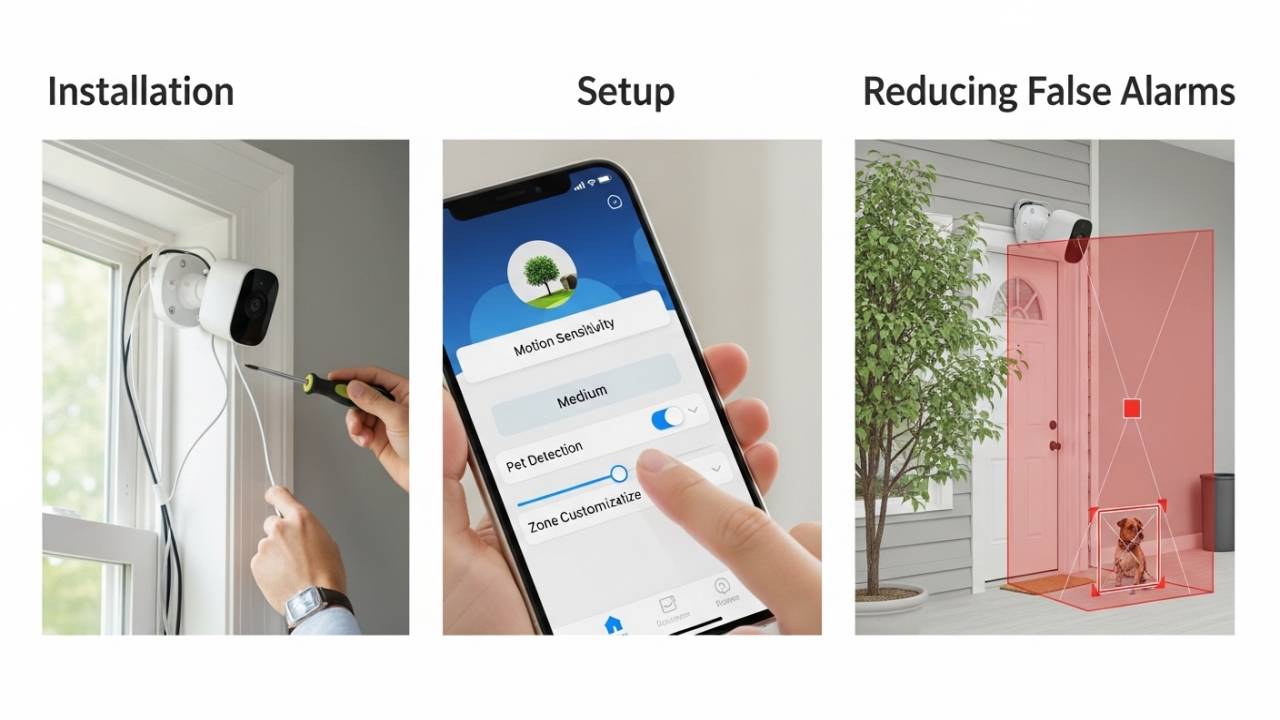
Setting up most fall detection devices Florida seniors purchase takes 20 to 30 minutes and requires only a smartphone or computer. Most devices walk through setup via a companion app. The key steps are the same across brands: charge the device fully first, download the app or call the provider’s setup line, enter emergency contacts and health profile information, test the device with a supervised mock alert, and verify GPS location accuracy outdoors.
False alarms are the most common frustration with automatic fall detection. To reduce them: wear the device properly as instructed (wrist device on wrist, pendant worn at sternum level), move deliberately when doing activities that mimic fall motions like gardening or vigorous exercise, and take time to learn your specific device’s sensitivity settings — many offer adjustable detection thresholds.
When a false alarm does occur, cancel it within the provided window (usually 30 to 60 seconds), then call your monitoring center to confirm cancellation. Most providers log false alarms and can adjust sensitivity settings for you if they’re happening frequently.
Frequently Asked Questions
Do fall detection devices work in Florida pools?
Yes, but only if your specific device is rated IPX7 or higher. Several devices in this guide — including Apple Watch, Medical Guardian, and Philips GoSafe 2 — are rated for pool use. Always verify the IP rating before taking any device into water.
Will a golf cart bump trigger a false alarm?
It can. Hard stops, rough terrain, and tip-overs in golf carts can trigger fall detection on sensitive devices. Apple Watch and Medical Guardian both have reasonably good algorithms for distinguishing golf cart motion from actual falls, though no device is perfect. Having a monitoring center that calls to verify — rather than immediately dispatching — helps manage this.
What’s the best fall detection device for a Florida senior who lives alone?
For solo seniors, the priority is automatic detection and 24/7 professional monitoring. Medical Guardian, Philips GoSafe 2, and LifeFone are all strong choices because they combine reliable automatic detection with fast, human monitoring center response.
Do these devices work at Florida beaches with no Wi-Fi?
Yes — all GPS-cellular devices in this guide work independently of Wi-Fi. They operate on cellular networks, which cover virtually all Florida beach areas. Apple Watch with cellular service, Medical Guardian, MobileHelp, and Lively all function at the beach without any home connection.
How often do fall detection devices need charging?
This varies significantly. Lively Mobile2 lasts up to 80 hours. Philips GoSafe 2 lasts up to 72 hours. Most smartwatch-style devices (Apple Watch, Bay Alarm, Medical Guardian) need daily charging. For seniors who find daily charging difficult to maintain, a pendant-style device with multi-day battery life is a more practical choice.
Are fall detection devices covered by Medicare or insurance in Florida?
Standard Medicare does not currently cover fall detection devices. Some Medicare Advantage plans offered in Florida include medical alert benefits — check your specific plan. Florida’s Medicaid waiver programs may provide assistance for qualifying low-income seniors. Some long-term care insurance policies also cover these devices, so reviewing your policy is worthwhile.
Conclusion: The Best Fall Detection Devices for Florida Seniors
Florida’s unique combination of hard tile floors, wet pool decks, outdoor lifestyles, and golf cart communities makes fall detection not just useful but genuinely essential for aging in place safely.
The best fall detection device Florida seniors should choose depends on lifestyle. For active, tech-comfortable seniors who want all-in-one functionality: Apple Watch Series 9 or Ultra 2. For those who want professional 24/7 monitoring with strong outdoor GPS: Medical Guardian MGMove or Philips GoSafe 2. For budget-conscious families seeking reliable coverage without contracts: Bay Alarm Medical or Lively Mobile2. For seniors who resist wearing devices indoors: GetSafe as a home complement.
Whatever you choose, the most important consideration is this — the best fall detection device for Florida seniors is the one that actually gets worn every single day. Choose a device that fits the individual’s lifestyle, comfort level, and daily routine. Waterproof coverage for pool and shower use is non-negotiable in Florida. GPS for outdoor coverage is essential for anyone active in the community.
Talk to your loved one about their specific daily routines, where they spend most of their time, and what form factor they’ll actually commit to wearing. That conversation, more than any feature comparison, will lead you to the right device.
Florida is one of the best places on earth to grow older. The right fall detection device helps make sure that a moment on a wet tile floor doesn’t change everything.
This article was written to help Florida seniors and their families make informed, practical decisions about fall safety technology. Always consult a healthcare provider for personalized medical advice.